

Blog
Spring Shrub & Perennial Cleanup: What to Cut Back (and What to Leave)
Mar
Ultimate Nursery – Jamestown, Tennessee (Zone 6b)
As winter fades and the first signs of spring appear in Jamestown and across Fentress County, many gardeners feel the urge to start cutting everything back in the landscape. While some plants benefit from early spring cleanup, others should be left alone a little longer.
Knowing what to cut back—and what to leave—helps protect beneficial insects, supports pollinators, and encourages stronger plant growth throughout the season.
Below is a simple guide to help you clean up your garden the right way this spring.
Wait Until Temperatures Are Consistently Warm
A good rule of thumb is to begin major perennial cleanup once daytime temperatures are consistently above 50°F. Many beneficial insects overwinter inside hollow stems, leaf litter, and dried plant material.
Cutting too early can destroy pollinators like:
-
Native bees
-
Lady beetles
-
Lacewings
-
Praying mantis egg cases
Leaving stems and debris in place until spring warms up helps support the natural ecosystem in your yard.
Perennials That Should Be Cut Back in Spring
Many herbaceous perennials benefit from a spring trim once new growth begins.
Cut back last year’s stems to 1–2 inches above the ground, being careful not to damage emerging shoots.
Common plants to cut back include:
-
Coneflowers (Echinacea)
-
Black-eyed Susan (Rudbeckia)
-
Hostas
-
Daylilies
-
Bee balm (Monarda)
-
Shasta daisies
-
Salvia
-
Catmint (Nepeta)
Removing old stems makes room for fresh growth and improves airflow around the plant.
Ornamental Grasses Need a Spring Cut
Ornamental grasses are one of the most important plants to cut back in early spring.
Trim grasses down to 6–12 inches tall before new growth starts.
Common varieties in Tennessee landscapes include:
-
Fountain grass
-
Maiden grass (Miscanthus)
-
Switchgrass
-
Little bluestem
Cutting them back early keeps the new growth tidy and prevents brown blades from mixing with fresh green shoots.
Shrubs: Not All Should Be Pruned Now
Shrubs can be tricky because some bloom on old wood and some on new wood.
Shrubs Safe to Prune in Early Spring
These bloom on new growth, so pruning now will not affect flowering.
Examples include:
-
Rose of Sharon
-
Butterfly bush
-
Knock Out roses
-
Panicle hydrangeas (Limelight, Little Lime)
Shrubs to Leave Alone for Now
These bloom on last year’s growth. If you prune them now, you will remove this year’s flowers.
Wait until after they bloom before pruning:
-
Lilacs
-
Azaleas
-
Rhododendrons
-
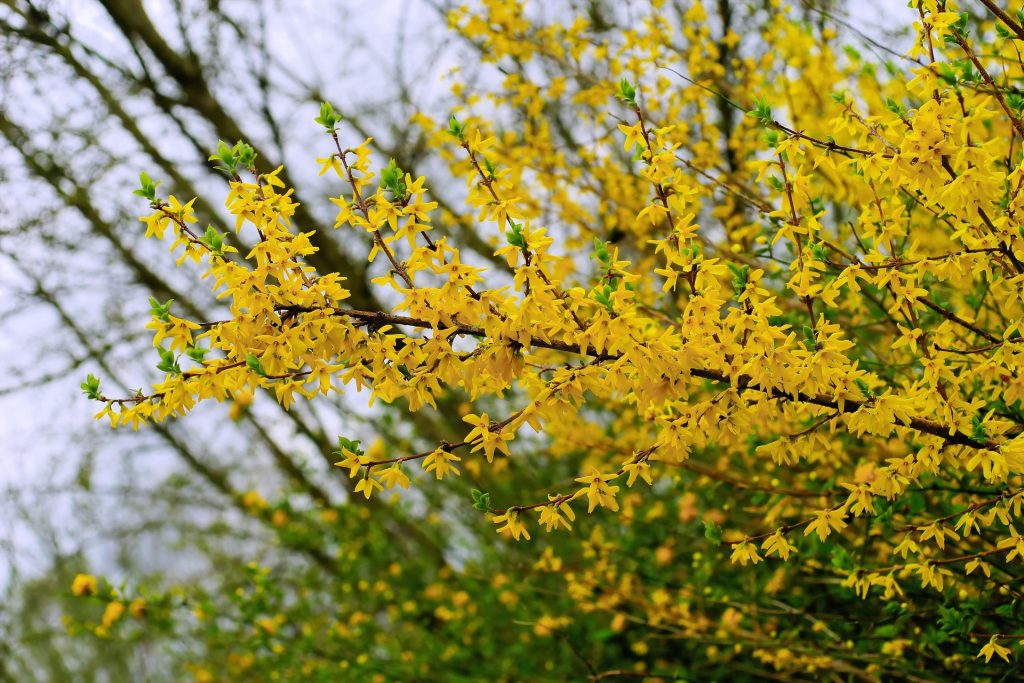
Forsythia
-
Oakleaf hydrangea
-
Bigleaf hydrangea
Leave Some Habitat in Your Garden
One of the biggest trends in modern gardening is “soft cleanup.”
Instead of removing everything, leave small pockets of:
-
Leaf litter
-
Hollow stems
-
Seed heads
These provide important habitat and food for birds and beneficial insects.
You can still keep your garden tidy while allowing nature to do its job.
Add Mulch After Cleanup
Once plants are trimmed and debris is removed, it’s a good time to refresh mulch in garden beds.
Benefits of mulching include:
-
Retaining soil moisture
-
Suppressing weeds
-
Improving soil health
-
Protecting roots from temperature swings
Apply 2–3 inches of mulch, keeping it a few inches away from plant stems.
Visit Ultimate Nursery for Spring Garden Supplies
Spring is an exciting time at Ultimate Nursery in Jamestown, and we’re here to help you get your garden ready for the growing season. Whether you need perennials, shrubs, organic fertilizers, or gardening advice, our team can help you choose the right plants for Zone 6b gardens in the Upper Cumberland region.
Be sure to download the Ultimate Nursery app to stay updated on new plant arrivals, seasonal gardening tips, and special promotions.
Download the app here:
https://apjl.app/ultimatenursery
FAQ: Spring Garden Cleanup
When should I start spring cleanup in Tennessee?
Most gardeners in Zone 6b should begin cleanup when daytime temperatures are regularly above 50°F, usually mid to late March.
Should I cut back perennials before new growth appears?
It’s best to wait until you see new shoots emerging so you can avoid damaging fresh growth.
Do ornamental grasses need to be cut back every year?
Yes. Cutting them back in early spring encourages healthy new growth and keeps plants looking tidy.
Is it okay to leave some dead plants in the garden?
Yes. Many beneficial insects overwinter in stems and plant debris, so leaving some habitat helps support pollinators.
What should I do after pruning and cleanup?
Apply mulch, check soil health, and consider adding organic fertilizer to prepare your garden beds for spring planting.