

Blog
Plant a Pollinator Garden This Spring: A Beginner-Friendly Guide
Apr
Creating a pollinator garden is one of the most practical and rewarding ways to support your local ecosystem—especially in early spring. Whether you’re new to gardening or just looking to make a positive environmental impact, a pollinator-friendly space is simple to start and delivers season-long benefits.
Why Pollinators Matter
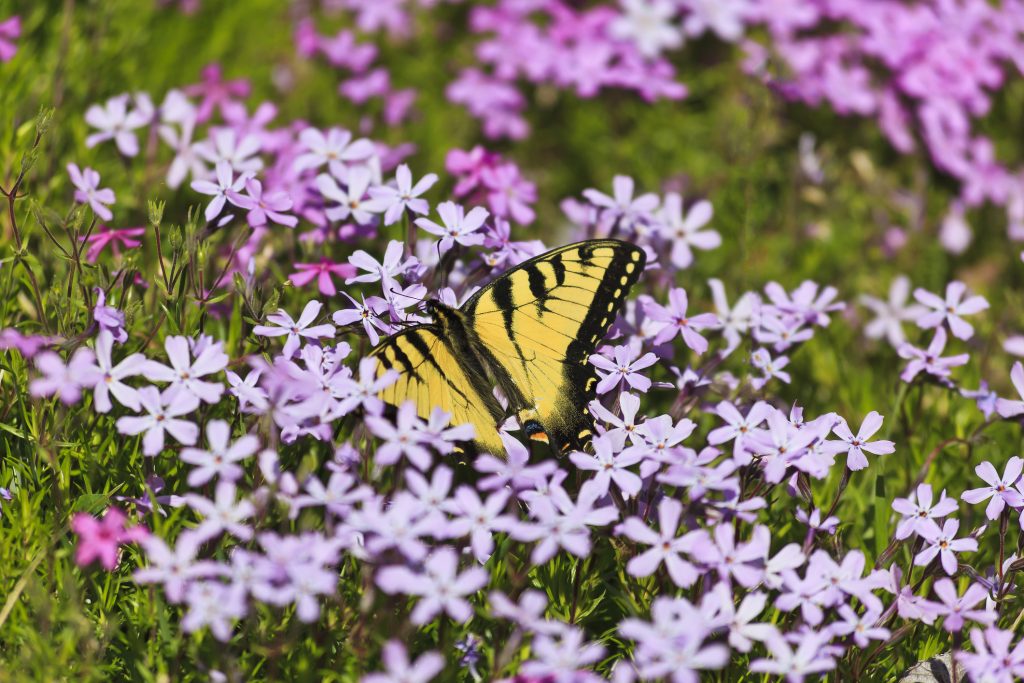
Pollinators like bees, butterflies, hummingbirds, and even certain beetles play a critical role in plant reproduction. They’re responsible for helping produce many of the fruits, vegetables, and flowers we rely on. Without them, both natural ecosystems and home gardens would struggle to thrive.
Why Start in Early Spring
Planting early gives your garden a head start. Many pollinators emerge as temperatures warm, and they need immediate food sources. Early spring planting ensures your garden is ready when they are. It also allows plants to establish strong root systems before the heat of summer.
Choosing the Right Plants
For beginners, focus on a mix of native plants and proven pollinator favorites. Native plants are especially valuable because they’re adapted to your region and require less maintenance.
Good starter options include:
- Coneflowers (Echinacea)
- Black-eyed Susans
- Milkweed (essential for monarch butterflies)
- Bee balm (Monarda)
- Salvia and lavender
Aim for a variety of bloom times—from early spring through fall—so pollinators always have a food source.
Simple Layout Tips
You don’t need a large space. Even a small bed or container garden can attract pollinators.
Keep these basics in mind:
- Plant in clusters: Grouping the same plant together makes it easier for pollinators to find.
- Provide variety: Different flower shapes attract different species.
- Include water: A shallow dish with stones gives pollinators a safe place to drink.
- Avoid pesticides: These can harm the very insects you’re trying to support.
Keep It Natural
Pollinator gardens don’t need to be overly manicured. Leaving some stems and plant debris can provide shelter for beneficial insects. Think of your garden as a habitat, not just a display.
Start Small, Grow Over Time
You don’t need to build everything at once. Start with a few key plants and expand each season. As you observe which pollinators visit your space, you can refine your plant choices and layout.
Creating a pollinator garden is a practical step toward healthier gardens and a stronger local environment. If you’re ready to get started, visit Ultimate Nursery to explore pollinator-friendly plants and get guidance tailored to your space. You can also download our app for seasonal tips and exclusive offers: https://apjl.app/ultimatenursery
FAQ
What is the easiest pollinator plant for beginners?
Coneflowers and black-eyed Susans are among the easiest. They’re hardy, low-maintenance, and attract a wide range of pollinators.
Do I need a large yard to create a pollinator garden?
No. Containers, raised beds, or small garden plots can all support pollinators effectively.
How long does it take to attract pollinators?
Often within weeks of planting, especially if flowers are already blooming.
Should I use fertilizer?
Use organic options when needed, but many native plants thrive in average soil without heavy feeding.
Can I plant a pollinator garden in partial shade?
Yes, but choose shade-tolerant plants like certain native wildflowers and herbs. Pollinator activity may be slightly lower than in full sun.